Volumes of the "Lindau Symposia for Religious Research"
Together with Jan Assmann, Harald Strohm initiated the "Lindau Symposia for Religious Studies" from 2008 to 2016. This resulted in the following five volumes of conference proceedings and a final volume in collaboration with Gerhard Bosinski:
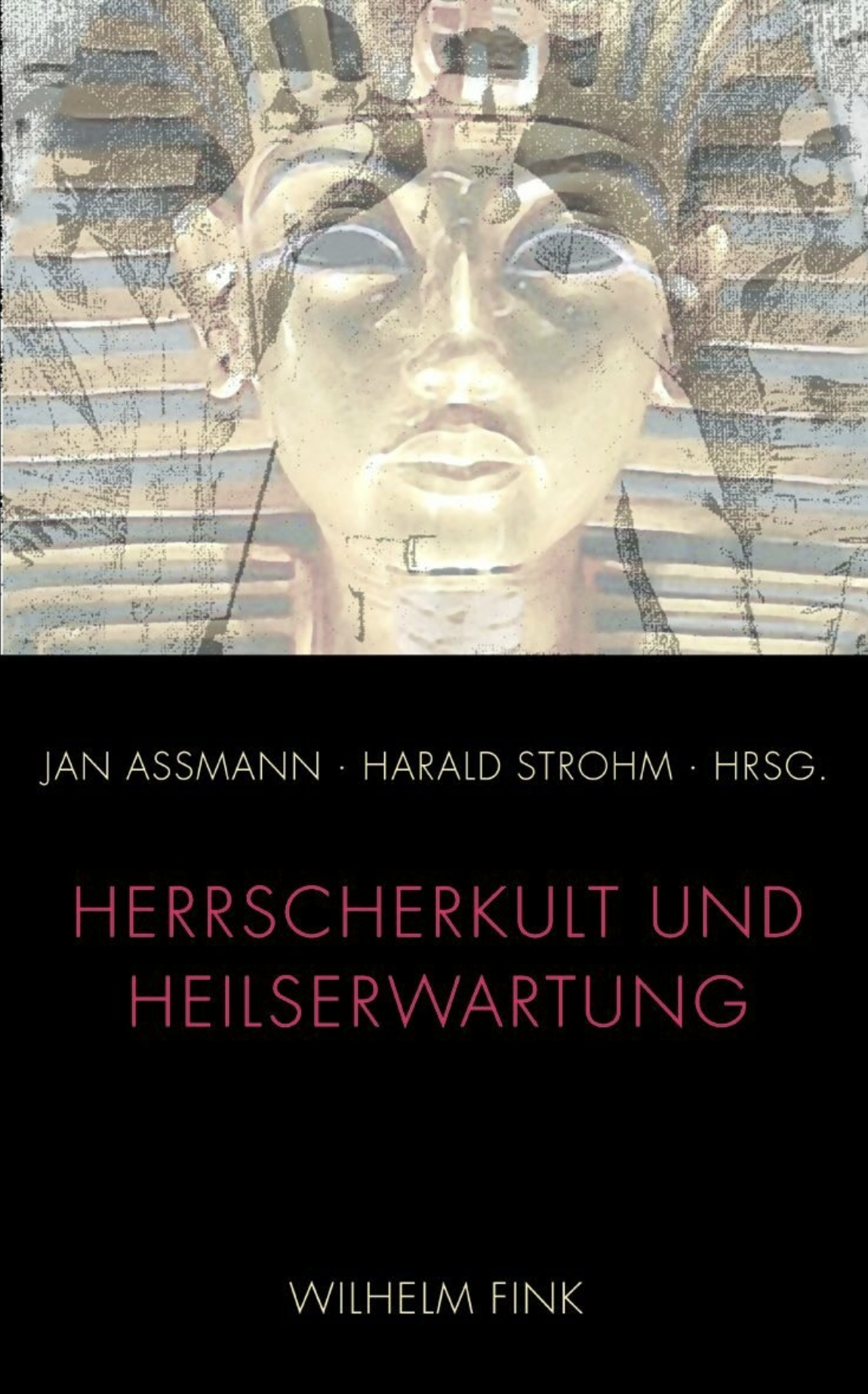
Cult of the Ruler and Expectation of Salvation
Kings and rulers were considered simply extraordinary people throughout the ages. Besides innate abilities in state and military leadership, they were attributed with healing and miraculous powers, superhuman charisma, special closeness to God, and even their own divinity. The book shows how this sacred kingship was able to permanently assert itself against all claims of sole representation by the monotheistic religions. It becomes clear that the old attributions live on in many ways; and not only in traditional state rituals, in newly constituted real kingdoms, and in the form of the courtly nostalgic pageantry of the rainbow press, but also in 'modern' fairy tale, comic, fantasy, advertising, and science fiction worlds. In poetry, the dignity of royal speech endures, in priestly moral claims, royal legal authority is usurped. And lastly, forms of 'modern' demagogy and state propaganda - above all that of the National Socialist leadership clique - were fueled by moments of inherited royal charisma.
With contributions by Jan Assmann, Nikolai Grube, Wolfram Pyta, Manfred Schneider, Burkhard Schnepel, Reinhard Schulze, Harald Strohm, Raphaela von Weichs, Raimar Zons.
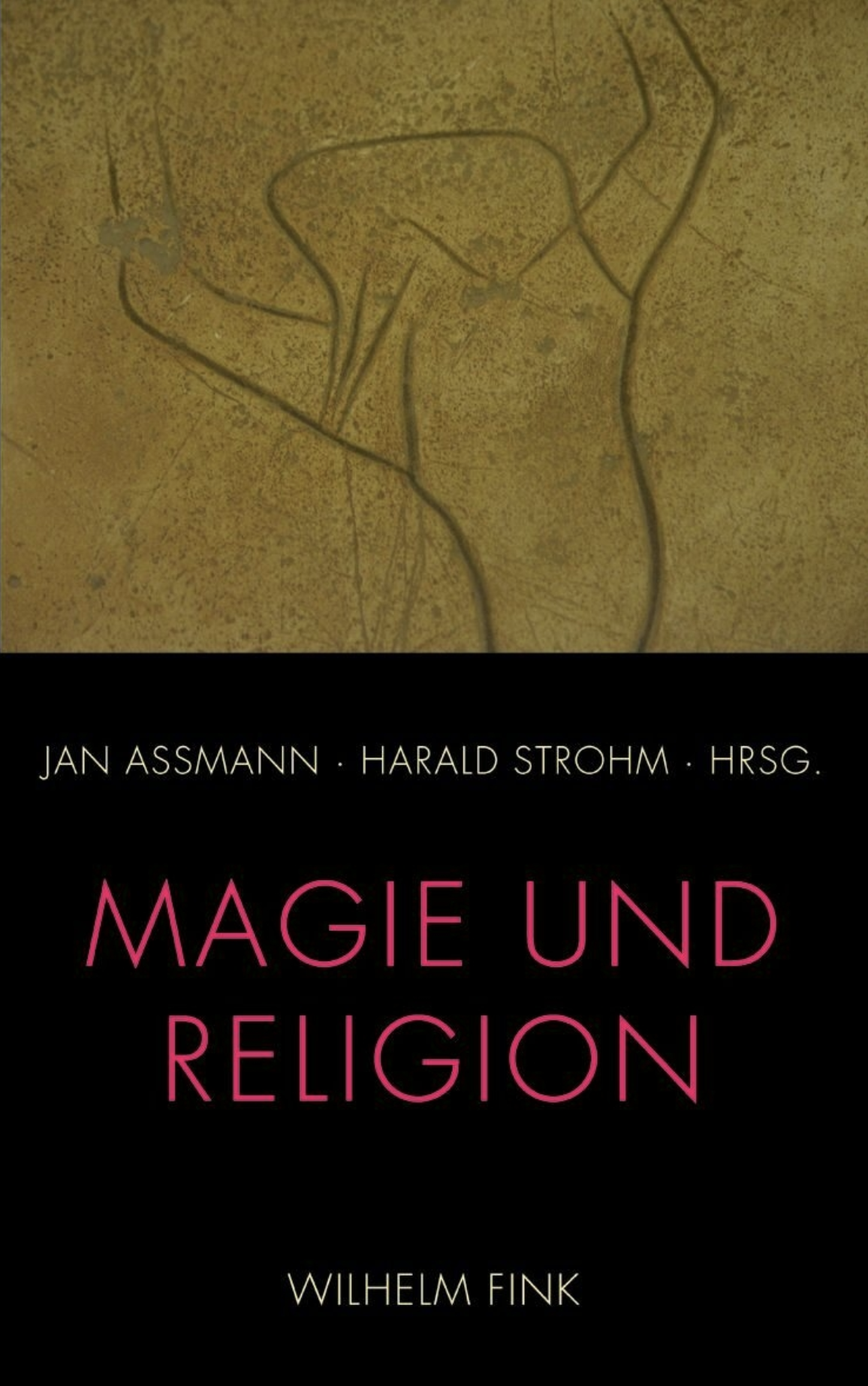
Magic and Religion
The magic is not dead: To this day, it shapes religion and everyday life more than we sometimes realize. Although the new "secondary" religions decisively condemned and fought all magic, much of it did not only survive, but new forms of magic also established themselves alongside and above the old ones.
With contributions by Aleida Assmann, Renate Lachmann, Martin Mulsow, Elisabeth Samsonow, Diethard Sawicki, Theo Sundermeier, Karen Gloy, Jan Assmann, and Harald Strohm.
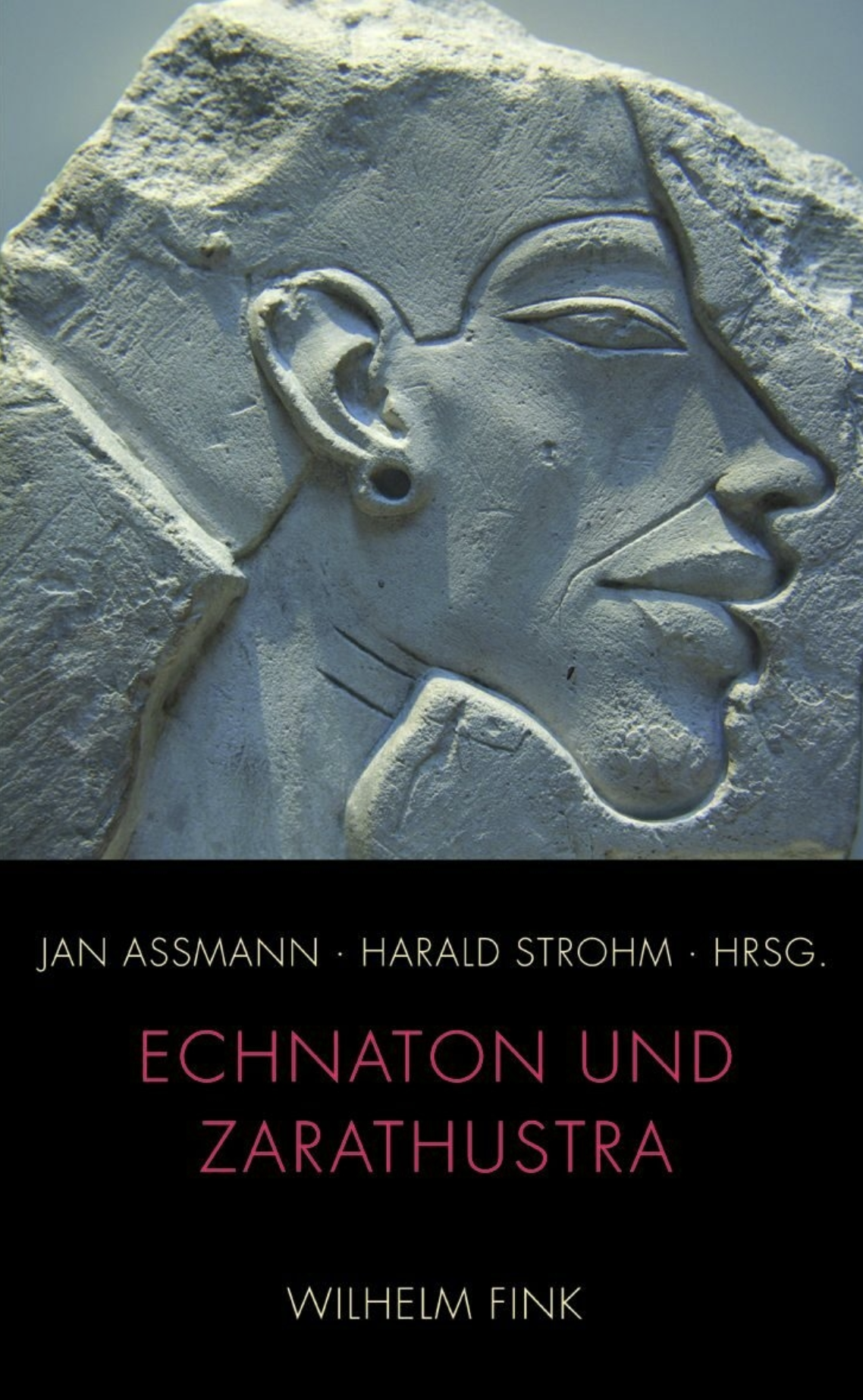
Akhenaten and Zoroaster
Pharaoh Amenhotep IV elevated the sun god Aton to ruler over all the gods of Egypt and renamed himself "Akhenaten," servant of Aton.
The ancient Iranian priest Zarathustra declared war on idols and proclaimed that there was only one good Lord and Creator. He became the founder of Zoroastrianism. Therefore, Akhenaten and Zoroaster are considered the forefathers of monotheism and revolutionaries in the history of religion.
In the third volume of the Lindau Symposia for Religious Research, they stand pars pro toto for the phenomenon of endowed religion and the associated religious antagonism: the turning away from one's own traditions and all other religions, which are rejected as "paganism". The problem of the religions in question lies in this contradiction between exclusivity and universality, which has found its classical expression in Lessing's Ring Parable and its predecessors, and has lost none of its relevance to this day. With contributions by Jan Assmann, Nikolai Grube, Wolfram Pyta, Manfred Schneider, Burkhard Schnepel, Reinhard Schulze, Harald Strohm, Raphaela von Weichs, Raimar Zons.
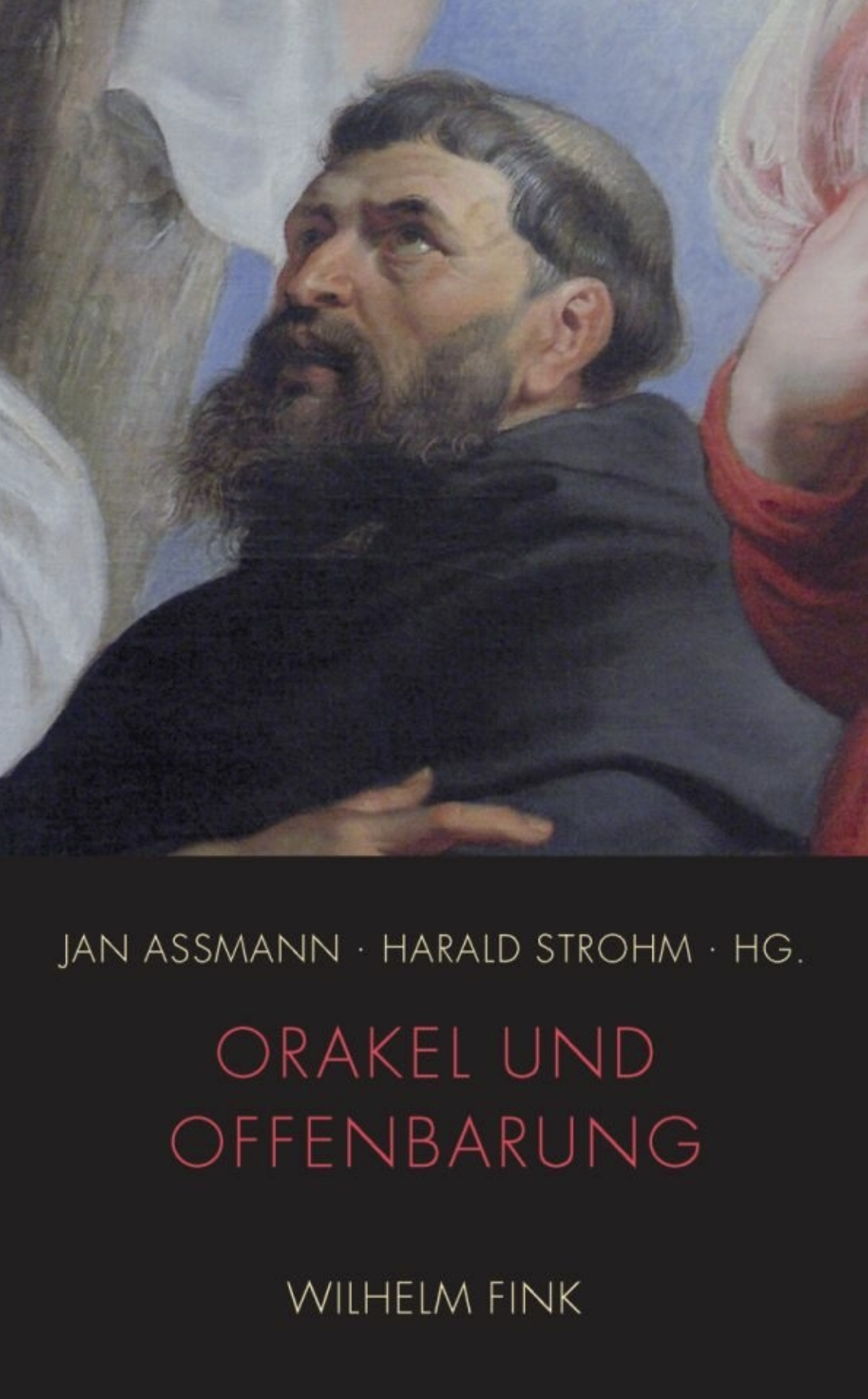
Oracles and Revelation
Forcing the gods or deity with "magic" according to the famous Frazerian definition is one extreme, and the other is passively "channeling" their commands and messages as a mere mouthpiece and humbly submitting to the imposed fate. Between them lies the realm of forms in which people seek to enter into a friendly contact with that other world.
As a suitable medium of communication, not only ordinary language with its possibilities for complaint and grievance, for confession and thanks, for doubt and reassurance, for requests and prayers comes into consideration. The deepened effectiveness seems to come from the language elevated to the poetic and musical: poetry and dense prose, song and singing seem to open and free the ear and mouth on both sides. Similarly, mysterious, metaphorical, and enigmatic speech, indeed anything that is difficult or incomprehensible, whose endpoint lies in silence. Many a shaman, seer, and prophet has found himself in this plight...
With contributions by Aleida Assmann, Jan Assmann, Reinhard Schulze, Léon Wurmser, Bernhard Lang, Raimar Zons, Manfred Schneider, Burkhard Schnepel, Theo Sundermeier, and Harald Strohm.
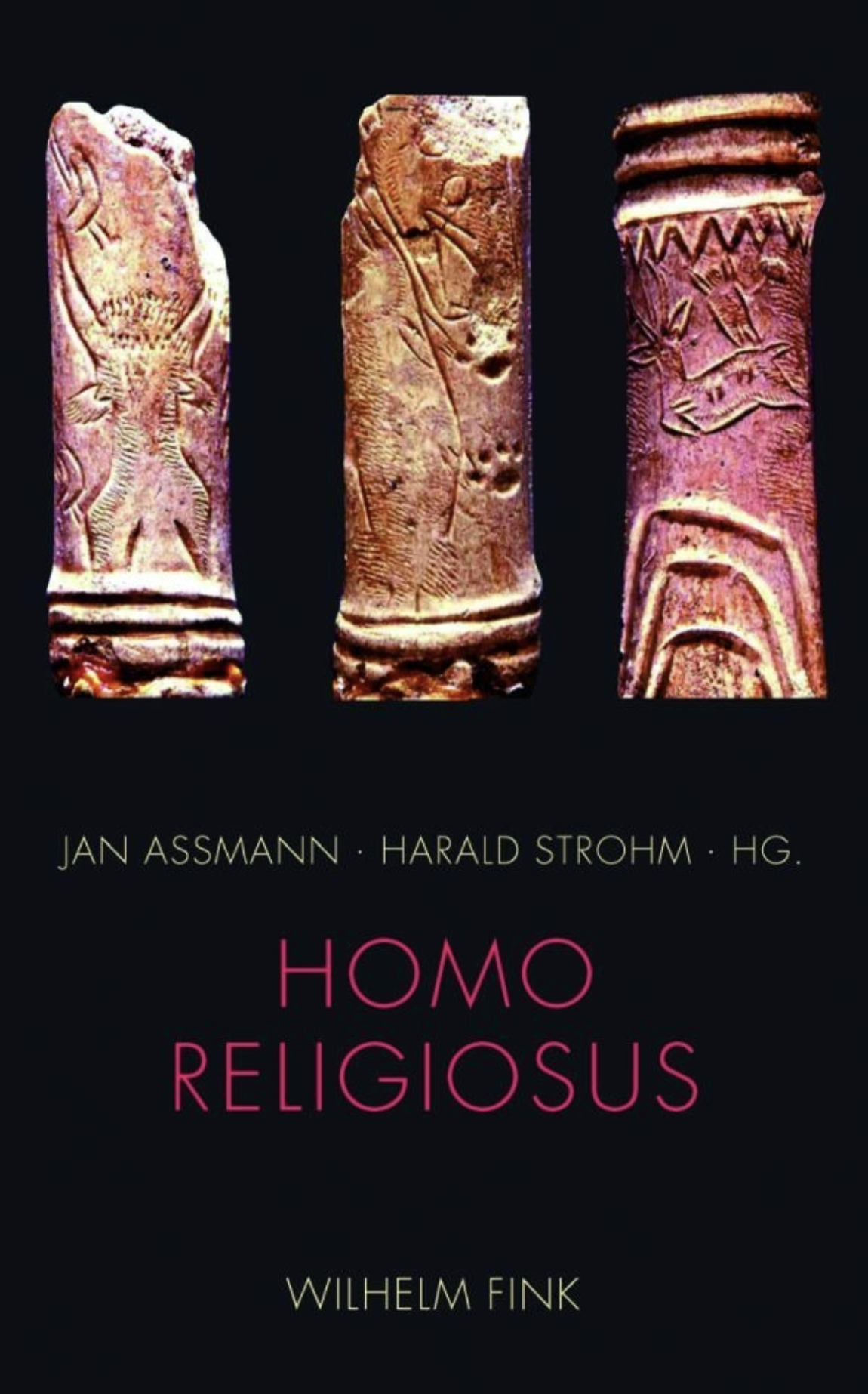
Homo religiosus
The phrase "homo religiosus," used in ancient times, had and has a variety of connotations. Especially since Schleiermacher, it has been a question of the extent to which religion is an innate part of human nature. From this point of view, it wasn't far to those "modern" theses, often informally popular scientific and media-friendly, according to which religion is a social instrument of the powerful or powerless, a mere medium of psychological compensation, or perhaps just a kind of epiphenomenon of our brain physiology and therefore already programmed in our genes...
It is not the task of the religious sciences to criticize the forms of sociological, psychological, neurophysiological, and biological theory formation that come into play in such drafts. However, it is their task to examine to what extent such theoretical formation adequately captures their claimed object, namely religion.
The stated goal of our symposium was the (loosely paraphrased from Schumpeter) "creative destruction" of outdated concepts of religion. Accordingly, the participants of our "feast" were asked to focus on the specific results of their fields of expertise and research areas, so that, where available, congruences and convergences, but also fundamental differences and divergences between the individual religions would become apparent...
With contributions by Bernhard Lang, Gerhard Bosinski, Léon Wurmser, Klaus E. Müller, Jan Assmann, Theo Sundermeier, Reinhard Schulze, Raimar Zons, and Harald Strohm.
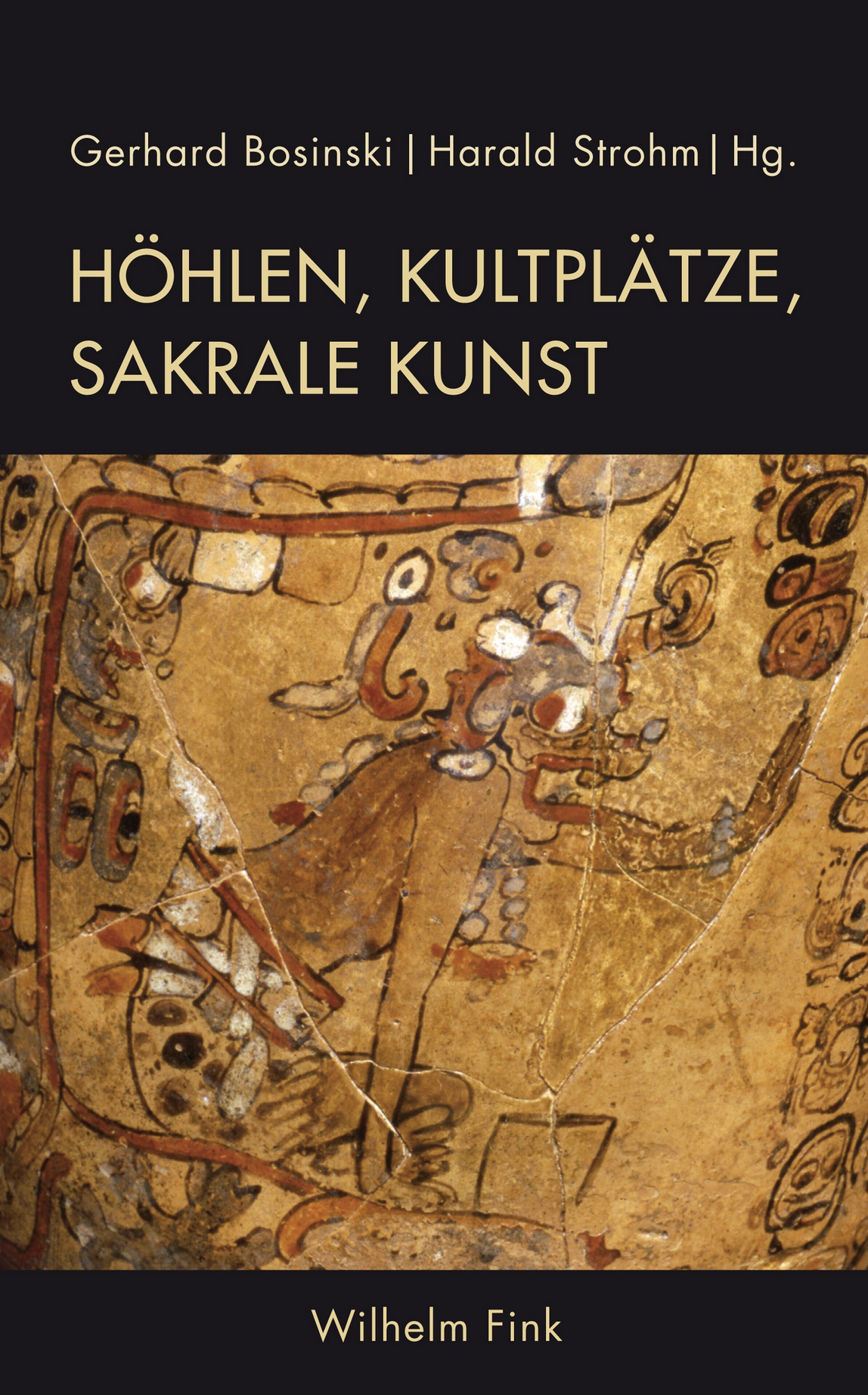
Religious Art
Religiosity appears to be a characteristic of humans. Clear indications of this assumption, however, only appear with the art of the early Paleolithic, that is, about 40,000 years ago. However, since texts from this time and from the following millennia are missing, these findings are initially silent to us.
Much remains unclear about the later history of religion as well. Nonetheless, the highly advanced analysis of written records from the land between the two rivers, Egypt, ancient Iran, India, and now also ancient America has revolutionized our understanding. The goal of this volume is to read the findings of illiterate cultural epochs against those of later epochs that were supported by writing and to bring them closer together.
With contributions by Michael Witzel, Nikolai Grube, Harald Floss, Helmut Schlichtherle, Bernhard Lang, Léon Wurmser, Helmut Humbach, Gerhard Bosinsiki, and Harald Strohm.